
by Imani Speaks | Oct 12, 2025 | Health & Well Being (The Physical)
Every Step Counts: How Movement, Walking, and Nature Uplift the Mind
“The body benefits from movement, and the mind benefits from stillness.” — Sakyong Mipham
We often think of movement as something we do for our body — to tone, to strengthen, to stay healthy. But what if I told you that moving your body is just as powerful for your mind? That every step, sway, and stretch is actually medicine for your soul?
The truth is, movement has always been nature’s most accessible antidepressant. It’s free, it’s healing, and it reconnects you with life itself. Whether it’s a morning walk, dancing in your kitchen, or a gentle stroll through the park, movement has the power to shift your mood, clear your mind, and open your heart.
The Science of Walking and Mental Health
Science now confirms what ancient wisdom always knew — that moving the body moves the mind.
Studies show that walking for even 20–30 minutes a day can reduce symptoms of mild depression and anxiety. The rhythm of your steps helps regulate breathing, lowers cortisol (the stress hormone), and releases endorphins — your body’s natural mood elevators.
Walking also stimulates creativity. That’s why so many great thinkers — from Aristotle to Virginia Woolf — were walkers. They used movement not only to think better, but to feel better. Each step grounded them, helping to process emotions, clear mental fog, and reconnect to a sense of balance and peace.
Walking as a Natural Antidepressant
Unlike medication, walking doesn’t just mask symptoms — it gently rewires your body and mind over time. The more consistently you walk, the more your brain begins to expect and crave the natural high that comes from movement.
You start to notice your thoughts becoming lighter. Your body begins to soften. The heaviness that once sat on your chest starts to lift.
Even on the days when it feels hard to move, remember — the act of showing up for yourself is already a step toward healing.
The Healing Power of Nature
Walking outdoors amplifies these benefits tenfold. Nature has its own rhythm — it breathes, it soothes, it restores. The sound of leaves, the sight of the sky, the scent of earth — they all remind your nervous system that you are safe, connected, and part of something greater.
Many people describe a kind of “reset” that happens when they walk in nature — their problems feel smaller, their hearts feel calmer. The Japanese call it Shinrin-yoku, or “forest bathing” — the art of absorbing the healing energy of the trees. You don’t need to go far; even a nearby park or garden can bring you back to yourself.
Dancing — The Joyful Medicine
Movement doesn’t always have to be slow or serious. Dancing — whether it’s in a class, your living room, or under the stars — is one of the most powerful forms of emotional release. It lets your body express what words can’t.
When you dance, you are saying to life: I am here. I am alive.
You move energy through your body, shake off tension, and reconnect with joy. Dancing is a celebration of self — a reminder that healing can also feel good.
Making Movement a Daily Ritual
You don’t need fancy routines or gym memberships to experience the benefits. You just need a bit of intention and consistency.
Here are a few simple ways to make movement part of your everyday mental wellness routine:
- Start small. Even 10 minutes of walking counts. The goal is consistency, not perfection.
- Pair it with mindfulness. Feel your feet touching the ground, notice your breath, let your thoughts come and go.
- Add music. Create a playlist that uplifts you. Music has its own healing vibration.
- Walk with others. Join a walking group, call a friend, or take your pet — community boosts motivation.
- Choose nature when you can. Fresh air, sunlight, and open space multiply the benefits for your mood and energy.
Final Thoughts
Movement is one of the simplest, most profound ways to care for your mental health. It reminds you that healing doesn’t always come through thinking — sometimes, it comes through moving.
So, the next time life feels heavy, take a walk. Step into nature. Put on your favorite song and dance. Let your body lead you back to balance. Because every step, every sway, every breath is part of your return — to peace, to joy, to yourself.
Call to Action:
Start today. Step outside and walk — not to reach a destination, but to reconnect with yourself. Every step counts, and each one is a step toward healing. ?

by Imani Speaks | Oct 12, 2025 | Health & Well Being (The Physical)
Physical movement does incredible stuff for the mood. When you move, your body kicks out feel-good chemicals called endorphins, giving you that sweet rush of happiness. Regular exercise can seriously lighten the mood, making it a powerful tool against anxiety and depression. It’s like having a natural mood booster just by being active.
Getting moving doesn’t just make you feel better emotionally; it bumps up your self-esteem too. There’s something about breaking a sweat that makes you feel accomplished and strong, like you can tackle anything the day throws your way. It’s about finding confidence in what your body can do.
Physical activity isn’t just about perkier moods or a confidence boost. It’s got your brain’s back too. Regular movement gets the oxygen flowing, helping keep your mind sharp. Research even shows it might help stave off age-related decline, like some kind of mental fountain of youth. The more you keep moving, the more you could be keeping your brain healthy as you age.
Diverse Forms of Movement: More than Just Exercise
Exercise doesn’t just mean hitting the gym or going for a run. Movement is way more than that. Ever tried dancing like no one’s watching? It’s amazing how letting loose on the dance floor can free your mind from stress. Dancing not just lifts your spirit but also gets the endorphins flowing, making the day a whole lot brighter.
Then there’s good ol’ walking. It’s simple and underrated. A brisk stroll can clear the mind and is a perfect excuse to break away from screens and breathe in fresh air. Plus, nature’s incredible: walking through a park or by the beach is kind of like a mini-vacation for the mind, boosting your mood without having to go too far.
Speaking of nature, being outdoors is a game-changer. Activities like hiking or cycling in the great outdoors are more than just exercise. They’re a way to connect with the world in its most raw, beautiful form. It calms the mind, reduces stress, and can even spark creativity when you’re feeling stuck in a rut.
And don’t overlook social activities. Joining a local sports team or signing up for a group dance class can be a blast. It’s not just about the exercise; these activities help forge social bonds and take the edge off loneliness. It’s like killing two birds with one stone: staying fit and meeting new people.
Why Humans Are Hardwired to Thrive Through Movement
Humans are built to move. Think about it: our ancestors roamed and hunted, constantly on the go. Fast forward to the present, and our bodies still crave motion, even if modern life doesn’t always make it easy. The everyday hustle might have us glued to screens and desks, but our innate need to move remains the same.
Physical movement is deeply connected to mental resilience. Ever noticed how tasks seem more daunting when you’re stuck stationary? Movement gives you a fresh perspective and a burst of energy. It’s a survival tactic, something our ancestors learned long before us: staying active sharpens our senses and improves mental clarity.
Modern life is full of convenient ways to stay put, yet physical activity remains essential. Balancing a busy lifestyle with regular movement might sound ambitious, but small steps count. Even standing up to stretch for a few minutes or opting for stairs instead of elevators adds up, helping your mind and body stay in sync.
Real-life stories often highlight remarkable shifts through movement. I’ve heard of folks who picked up a sport or embraced daily walks and found themselves not just physically fitter, but mentally sharper and emotionally more balanced. Movement isn’t just a routine—it’s a lifestyle change that can transform outlooks and quality of life.
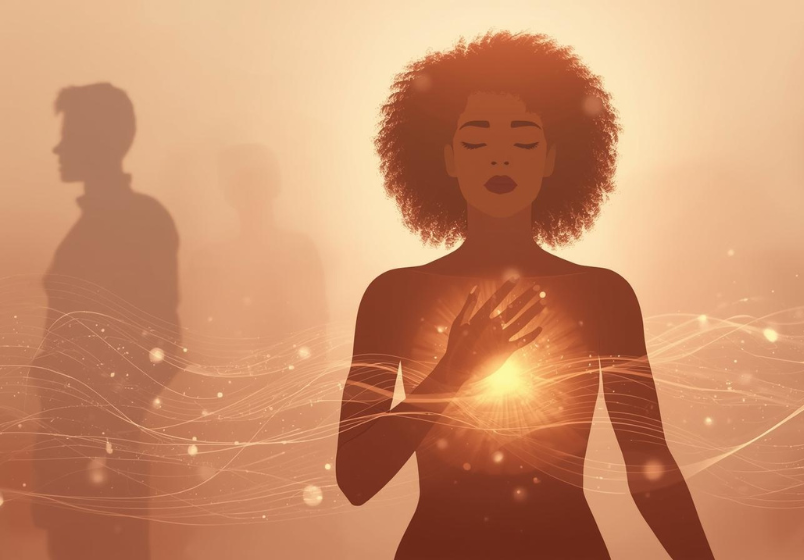
by Imani Speaks | Oct 11, 2025 | Emotional Healing
Your body and heart gives you signs, yet you continue
Sometimes your heart knows it’s not safe…
but your body won’t let go.
He’s warm one day, distant the next.
You feel it before you can name it — that tightening in your chest, that ache in your belly, that whisper of maybe this time he’ll show up fully.
But love that flickers is not love that heals.
It’s love that awakens your nervous system — not your soul.
When Love Becomes Survival
When you love an emotionally unavailable man, you don’t just feel confusion — you feel activation.
Your system goes into overdrive: heart racing, thoughts looping, scanning for clues, reading between texts.
Your body begins to think love equals danger.
You’re not needy.
You’re not broken.
You’re simply in survival mode.
The truth is, many of us learned love this way.
If your caregivers were inconsistent — loving one moment, withdrawn the next — your nervous system adapted to chaos as comfort.
It wired you to chase connection, to earn affection, to stay even when it hurts.
You didn’t learn this in romance; you learned this in childhood.
Why Chaos Feels Like Chemistry
The body remembers what the mind forgets.
When he withdraws, it triggers old abandonment wounds.
When he returns, dopamine floods your system, giving you a rush that feels like love — but it’s really relief.
You begin to crave the high and tolerate the low.
You confuse anxiety with attraction, inconsistency with intimacy.
But this isn’t love.
This is your unhealed attachment asking to be seen.
And that’s the good news — because once it’s seen, it can be healed.
The Healing Path: Reprogramming Love
Healing from emotional unavailability is not about changing him — it’s about re-parenting you.
You’re teaching your nervous system that safety and love can co-exist.
? Step 1: Self-Safety — Becoming the Calm You Crave
Your body must first know peace before it can receive love.
Start small:
- Breathe deeply (4 counts in, 6 counts out).
- Place a hand over your heart and whisper, I am safe now.
- Move daily — walk, dance, stretch, or shake off the energy of waiting.
- Practice mindfulness or somatic grounding (look up “somatic healing for attachment trauma”).
These practices tell your body: we are not in danger anymore.
? Step 2: Co-Safety — Healing in Connection
Healing happens with others, not in isolation.
Surround yourself with safe people — consistent, kind, grounded souls who ask how you feel, not just what you do.
If you don’t have them yet, begin with a therapist, coach, or trauma-informed circle.
Look up:
- “Attachment healing support groups”
- “Somatic experiencing practitioners”
- “Trauma-informed relationship coaches”
Vulnerability is a muscle. The more you use it safely, the stronger it becomes.
? Step 3: Life-Safety — Rooting in Purpose
When your sense of worth depends on one person, the world shrinks.
But when you root in purpose, passion, and rhythm, you expand.
Build sacred structure:
- Morning rituals (affirmations, tea, prayer, journaling).
- Evening wind-downs (gratitude, gentle movement, forgiveness).
- Reconnect to nature — she is the safest mirror of all.
- Explore spiritual or creative communities that affirm your growth.
Healing Resources You Can Explore
Here are some powerful tools and books:
? Recommended Reading
- Attached by Amir Levine & Rachel Heller — understanding attachment styles.
- The Body Keeps the Score by Bessel van der Kolk — how trauma shapes the nervous system.
- Healing the Shame that Binds You by John Bradshaw — reclaiming inner worth.
- Homecoming: Reclaiming and Championing Your Inner Child by John Bradshaw — powerful for re-parenting work.
- Polyvagal Exercises for Safety and Connection by Deb Dana — practical tools to calm the nervous system.
- How to Do the Work by Dr. Nicole LePera — integrating body, mind, and soul healing.
? Online Support
- The Holistic Psychologist (Instagram / YouTube) — daily guidance on nervous system healing.
- Attachment Nerd (YouTube) — gentle, science-based relationship advice.
- Therapy Den or BetterHelp — online platforms to find trauma-informed therapists.
- Insight Timer — free meditations for nervous system regulation and grounding.
Remember This
You didn’t choose the pattern — it was chosen for you when love felt unsafe.
But you can choose differently now.
You can stop chasing love that confuses your body and begin embodying love that soothes your soul.
The moment you become safe within yourself, the emotionally unavailable can no longer reach you — because you’ll vibrate at a frequency that says:
“I am no longer available for what disturbs my peace.”
And that, beautiful soul, is when true love — steady, soulful, sacred — finally finds you.
✨ Summary
- Emotional unavailability triggers survival responses in your body.
- Childhood inconsistency can make chaos feel like love.
- Healing requires reprogramming your nervous system through self-safety, co-safety, and life-safety.
- Begin with mindfulness, body movement, therapy, and spiritual rituals.
- Explore recommended books and online tools for deeper healing.
? Call to Action
Start today by choosing one self-safety ritual — a breath, a boundary, a walk in silence — and honor it like a sacred vow.
Then, connect with one safe person this week.
Your nervous system is not your enemy; it’s your compass leading you home.

by Imani Speaks | Oct 11, 2025 | Health & Well Being (The Physical)
Sleep hygiene is all about setting up the right conditions for a great night’s rest. It’s like laying the groundwork for your body’s ultimate downtime. Imagine getting into bed without tossing and turning. That’s the power of good sleep hygiene.
Maintaining a regular sleep schedule is crucial. Going to bed and waking up at the same time every day helps your body clock stay consistent, making it easier to fall asleep and wake up refreshed. It’s kind of like training your body to know when it’s showtime and when it’s lights out.
Another biggie is creating a restful environment. Think of your bedroom as a sleep sanctuary. Keep it dark, cool, and quiet. Switch off those gadgets that emit bright lights and consider earplugs if noise is a problem. Anything that disrupts your peace and quiet, say goodbye to it, at least at bedtime.
Sleep cycles play a major role in sleep quality. Throughout the night, we cycle through different stages of sleep, some deeper and some lighter. Getting uninterrupted cycles means better overall rest and improved health. It’s like allowing yourself to fully recharge instead of just giving a quick boost.
Watch out for sleep disruptors like caffeine, alcohol, and big meals before bed. These can throw your system off balance and make it harder to get the quality sleep you need. It’s all about giving your body the best possible chance to unwind and repair.
Unlocking the Health Benefits of Good Sleep
Getting enough quality sleep does wonders for your mental health. Imagine waking up feeling clear-headed and ready to tackle the day. Good sleep boosts cognitive functions, lifts your mood, and even supports emotional resilience. It’s like having a mental reset button every night.
The benefits extend beyond your brain, soaking into your physical health too. Better sleep is strongly linked to heart health and a robust immune system. Your body takes nighttime as an opportunity to repair itself, meaning restful sleep might just be your best defense against some health hiccups.
Then there’s sleep’s role in weight management. Science backs this up – good sleep can help you lose weight. Poor sleep messes with the hormones that control hunger, often leading you to snack more and crave less healthy foods. With enough rest, those cravings take a backseat.
Finally, consider the productivity boost. Imagine flying through tasks and keeping up that happy vibe all day long. Good sleep enhances focus, creativity, and efficiency, making you almost unstoppable at work or play. It’s like having a secret weapon for getting stuff done and feeling good doing it.
Tools, Tips, and Age-Specific Strategies for Better Sleep
There are loads of handy digital tools out there to help you catch those z’s. Sleep trackers can help you understand your patterns and make adjustments as needed. White noise apps can drown out background sounds and make falling asleep easier. Integrating these into your routine is like having your own sleep coach.
Lifestyle changes can also make a huge difference. Keeping active during the day not only boosts your sleep quality but also helps tire out your body, making it easier to fall asleep at night. Watch what you eat and drink too. Heavy meals, caffeine, and alcohol can keep you up when you want to wind down.
How about adapting your sleep strategy according to your life stage? Kids and teenagers need more sleep for brain development and growth, while adults thrive on a balance that keeps them energetic and focused. Seniors might find they need less sleep, but it doesn’t mean it’s less important.
Getting sleep right is about tailoring your routine to fit your needs. Whether it’s a cozy bedtime ritual, the perfect room setup, or knowing when to power down electronics, it’s all about making sleep work for you. Keep adjusting and experimenting until you find what brings you that sweet slumber.

by Imani Speaks | Oct 11, 2025 | Emotional Healing
A Woman Is the Portal
“A woman is the portal through which a man enters to find his peace — but only when she has found her own.”
The feminine is the portal. The masculine is the seeker.
He moves through the noise of the world — the battles, the expectations, the performance — until he meets her energy, and something inside him exhales.
But peace does not come from her body; it flows through her energy.
When she is grounded in her divine feminine — soft yet strong, open yet boundaried, nurturing yet rooted — she becomes a mirror of calm.
Through her, he remembers his own stillness.
Yet true wholeness isn’t found in each other.
It’s found within.
They do not complete each other — they awaken what was already there.
They become whole when they connect to the divine energies within themselves — when the man heals his wounded masculine and learns to lead with heart instead of ego, and when the woman heals her wounded feminine and learns to trust instead of control.
When both have faced their shadows and tended to their inner child, love becomes sacred, not survival.
The dance between them is no longer about power or pain, but about presence.
The woman is the portal.
The man is the presence that walks through.
But peace is born only when both have met their own inner peace first.
? Soul Reflection:
You cannot find peace through another — only a reflection of the peace you’ve already found within.
Heal your inner child. Balance your inner feminine and masculine.
That’s where divine union begins.
✨ Call to Action:
Go inward.
Meet the parts of you that are still waiting to be seen, loved, and accepted.
When your inner energies are in harmony, love flows naturally — not as a chase, but as a vibration.